
Vincent
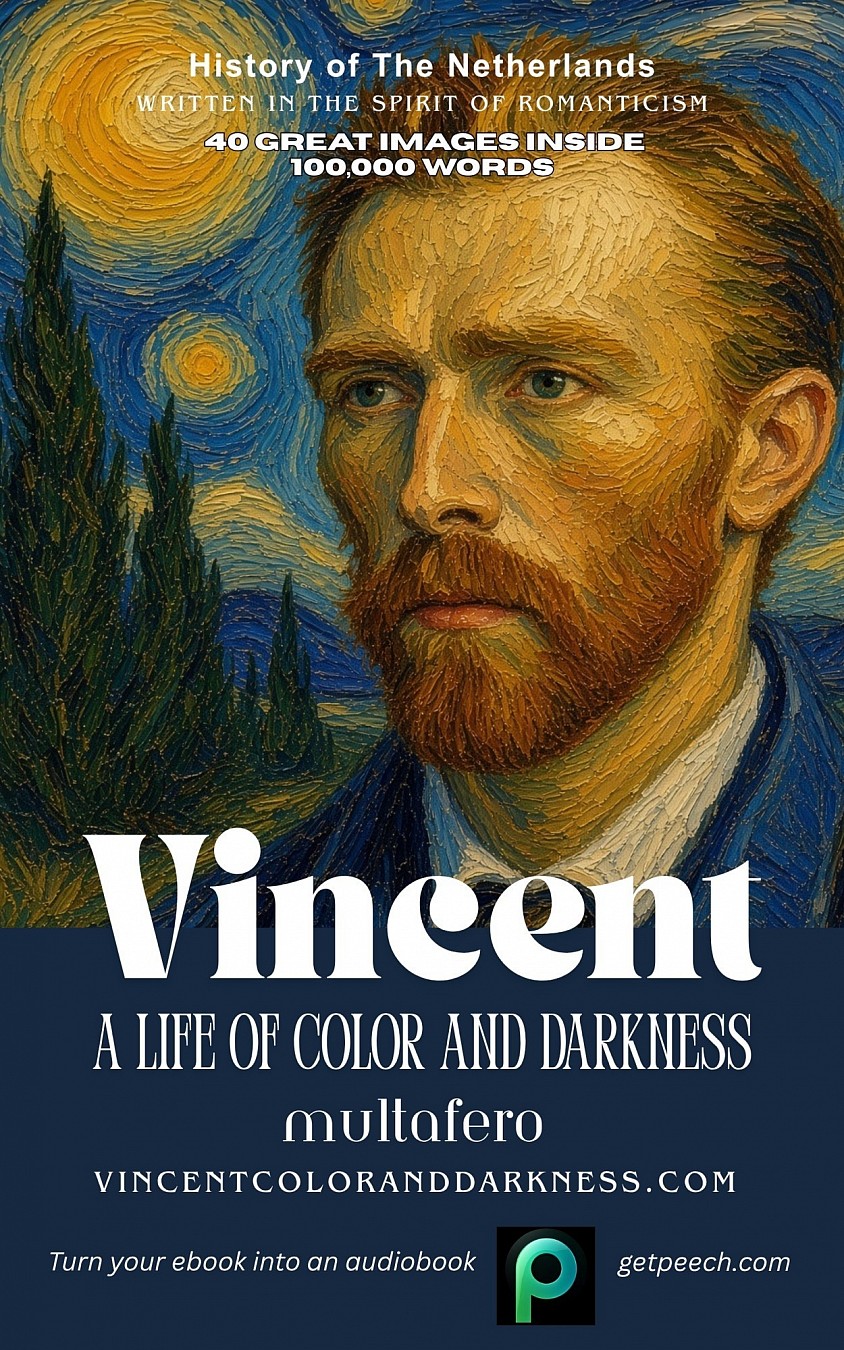
A Life of Color and Darkness
In the shadowed cradle of a Dutch parsonage, where sermons of restraint echoed against walls that had already known the silence of a stillborn namesake, a restless spirit first drew breath. Vincent van Gogh entered the world already marked by absence, and that early vacancy would expand into a lifelong contest between luminous vision and the darkness that sought to claim him. His path was never the measured progress of ordinary men; it was a Romantic storm of passion, rejection, and uncompromising intensity that left conventional success shattered in its wake.
Youth offered no gentle apprenticeship. The young man drifted through roles that promised stability yet delivered only estrangement—art dealing in the polished salons of Europe, teaching, preaching among the coal-blackened miners of the Borinage. There, amid the soot and suffering of the Belgian earth, he tried to live the Gospel with a fervor that alarmed the very church he served. Cast out from the pulpit, stripped of romantic hopes that had once seemed possible, he turned at last to the solitary discipline of drawing and paint. What began as consolation became compulsion. The canvas became the only ground firm enough to bear the weight of his seeing.
Paris taught him the modern language of color, the broken strokes and pure pigments of the new schools, yet the city itself proved too crowded, too clever, too indifferent. He fled south, chasing the sun that blazed over Arles like a second revelation. Under that relentless light the paintings erupted—sunflowers that seemed to burn from within, night skies that whirled with private constellations, cypresses that rose like dark flames against the gold. Yet the same intensity that flooded the work also fractured the man. Friendship turned violent. The razor found flesh. The asylum doors closed, and still the brush moved, recording wheat fields and olive groves with a clarity that outlasted the mind that guided it.
Romanticism has always honored the exceptional soul crushed beneath the weight of an uncomprehending age, and Vincent embodied that archetype without mercy or half-measure. He was the wanderer who could not rest, the lover of creation who remained forever outside its domestic circle, the prophet whose prophecies arrived too soon for any marketplace to value. Letters to his brother remain the most intimate map of this ordeal—pages where hope and despair wrestle in the same sentence, where the promise of recognition flickers against the certainty of present isolation. Recognition did come, but only after the final act in the wheat field at Auvers, only after the earth had already closed over the unmarked grave.
This book follows that turbulent arc without softening its edges. It traces the troublesome life in which color and darkness were never symbols alone but lived realities—the yellow that refused to fade even in madness, the black hours that no hospital could fully dispel. Here the reader will meet the full measure of a man who felt too deeply, saw too intensely, and paid for both gifts with everything he possessed. The pages ahead offer no tidy resolution, only the raw continuum of radiance and shadow that defined Vincent van Gogh and, in the end, outlived him.
